

Water Resiliency for North Central Texas
Lake Ringgold is a long‑planned regional water supply project that supports the growth of the North Central Texas region, protects the economy, and builds resilience against future droughts.
- State‑recognized Unique Reservoir Site
- Studied alongside 22 alternatives
- Built on conservation & reuse progress
Lake Ringgold: Meeting Future Water Demand
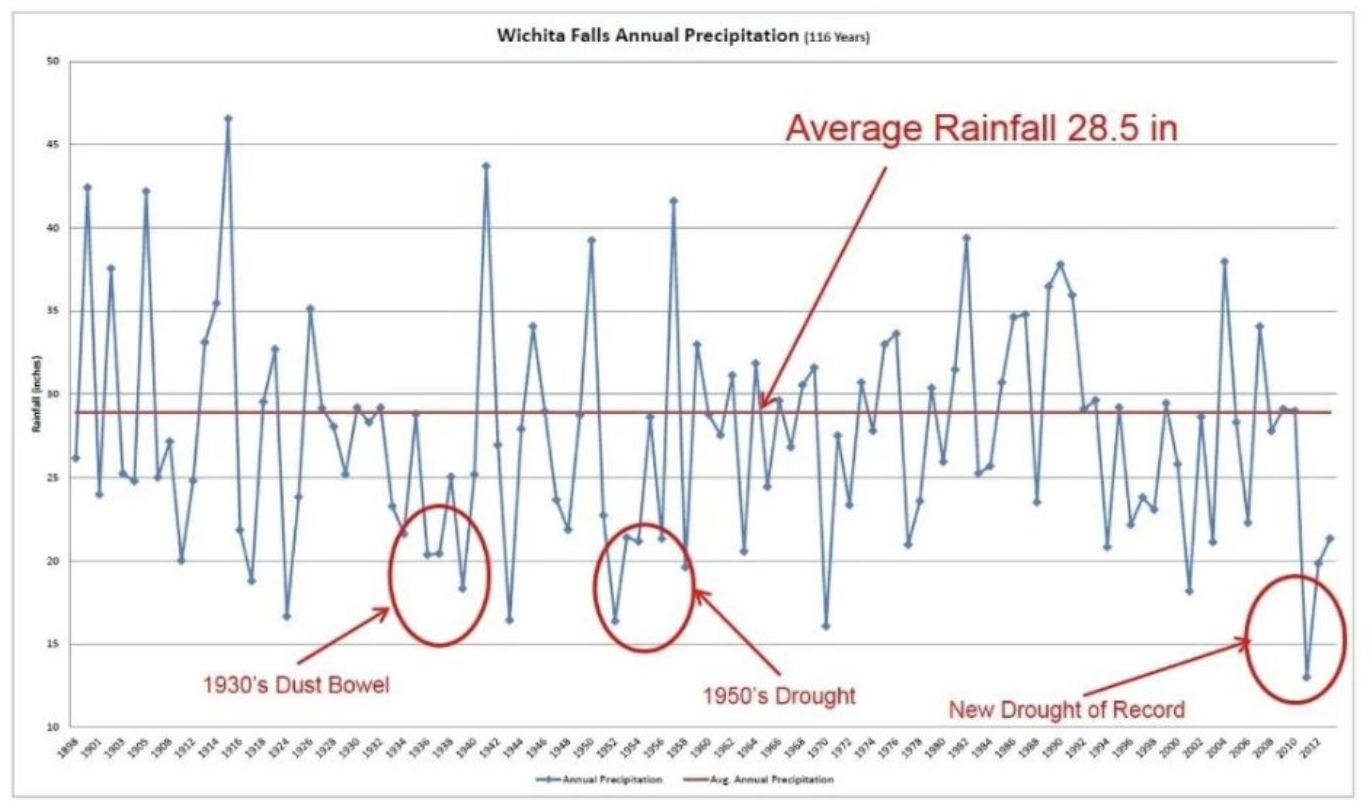
2010-2015 Drought of Record
1,395 days of restrictions
Regional Customers
15 wholesale systems
Planning Horizon
15–25 years to full build-out
Why Lake Ringgold?
The State Water Plan projects a supply shortfall for Wichita Falls and the North Central Texas region when planning for drought conditions. The City has maximized conservation and reuse measures and evaluated a wide range of alternatives. Lake Ringgold is identified as the only feasible water supply to reliably meet long‑term demand for the region.
Planning & Permitting Milestones
- 1950s–2000s: Site identified in early planning studies.
- 1980s: City of Wichita Falls acquired 6,400 acres in the reservoir footprint.
- 2008: State of Texas designated a State Unique reservoir site.
- 2013: City of Wichita Falls completed feasibility study on size, location, and cost.
- 2015: City of Wichita Falls Long‑Range Water Supply Plan evaluated 22 alternatives; Ringgold most feasible.
- 2024: Lake Ringgold Water Right issued authority for storage and use of water.
- Next: Obtain Clean Water Act §404 permit.
2010–2015 Drought of Record
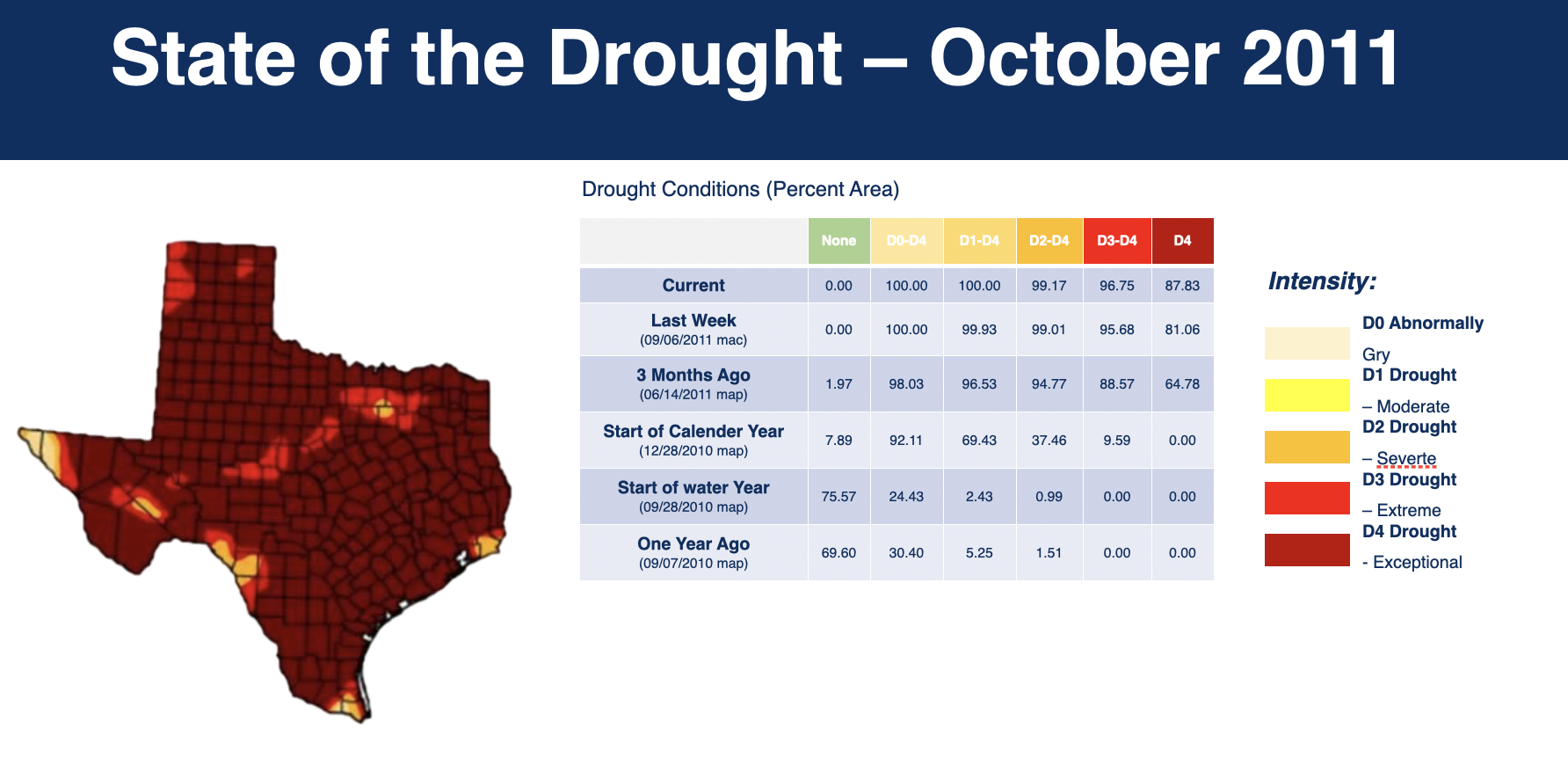
During the Drought of Record, combined reservoir system storage dropped below 19%, and the City maintained extreme drought restrictions for 1,395 days. Impacts affected families, businesses, and Sheppard Air Force Base operations.
Conservation and Reuse
Wichita Falls leads in advanced reuse and conservation.
Lake Ringgold builds on these successes to ensure reliability under drought conditions.
Indirect Potable Reuse (IPR) Project
Wichita Falls has already taken bold, nationally recognized steps to secure its water future by developing its Indirect Potable Reuse (IPR) program. Originally launched as an emergency response to extreme drought, the IPR project demonstrated the city’s ability to innovate and adapt by safely returning highly treated wastewater to the water supply system. Wichita Falls became a model for water resilience in Texas, demonstrating its willingness to pursue advanced, forward-thinking solutions to meet demand and protect public health. The IPR program remains a powerful example of how the city has maximized existing water resources and invested heavily in alternative supply strategies long before most communities were forced to act.
Water Conservation Efforts
In addition to major infrastructure investments like IPR, Wichita Falls has consistently implemented water conservation measures to stretch its existing supply as far as possible. Through public education campaigns, drought restrictions, and long-term efficiency initiatives, the city has reduced per-capita water use and promoted a culture of responsible water stewardship across residential, commercial, and industrial users. These efforts reflect years of planning and discipline, showing that Wichita Falls has not taken the easy route or ignored warning signs—it has actively worked to conserve every available drop. However, even with strong conservation practices in place, population growth, economic development, and long-term climate uncertainty make it clear that conservation alone cannot close the gap, and the city must now develop its next major water supply source.
Regional Benefits
Economic Growth
Reliable water attracts businesses, supports industry and agriculture, and encourages private investment.
Water Security
Diversifies supply and improves resilience to long droughts, protecting households and military missions.
Recreation & Quality of Life
New outdoor opportunities
and local spending that benefit nearby
communities.